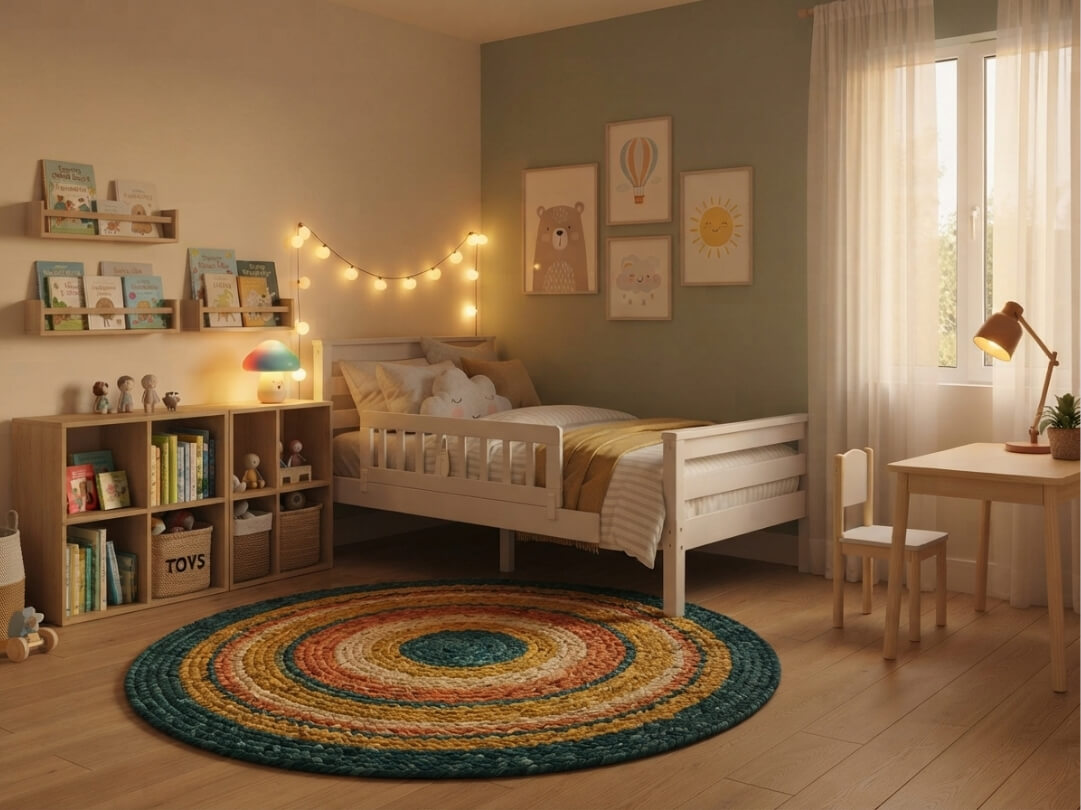
Walking into an empty room and picturing it as your child’s dream space can feel exciting and a little overwhelming at the same time. That is where good kids bedroom decor comes in. It is not just about picking a cute theme; it is about creating a space that feels like theirs, one that can grow and change as they do.
In this guide, we will walk through practical kids bedroom decor ideas, from furniture that works hard to small touches that make a big difference. The goal is to create a room that is fun today and still works five years from now.
Whether you are decorating a nursery for the first time or refreshing a room your child has already outgrown, the same idea applies: start simple, think long term, and leave a little room for their personality to shine through.
Start With the Basics
Before you buy a single throw pillow, take a breath and think about the big picture. A great kids room does not happen because you found the perfect wall decal on sale. It happens because you thought through the color, layout, and budget first.
1. Choose a color palette that isn’t overwhelming.
Bright colors are fun, but an entire room painted in neon can be a lot to live with, for both your child and you. A better approach is to pick one or two main colors, then layer in brighter accents through bedding, rugs, or artwork. Soft blues, warm yellows, and muted greens tend to age well and pair nicely with almost any theme your child picks later.
2. Pick a theme, or skip one entirely.
Dinosaurs, princesses, and outer space are all classic choices, and there is nothing wrong with leaning into what your child loves right now. Just remember that themes can change fast. A five-year-old who is obsessed with dinosaurs today might be all about basketball in two years.
If you want something that lasts longer, consider a general style, such as coastal, boho, or modern, and let smaller accessories carry the theme instead of the walls and furniture.
3. Set a realistic budget.
It is easy to fall down a Pinterest rabbit hole and suddenly want everything. Decide early what you are willing to spend, and remember that some of the best rooms are built slowly over time, one piece at a time, rather than all at once.
Choose Furniture That Grows With Your Child
The furniture in a kids room does more heavy lifting than almost anywhere else in the house, so it pays to choose pieces that can keep up.
1. Choose beds that grow with your child.
A convertible crib that turns into a toddler bed, or a twin bed with a trundle for sleepovers later, can save you from buying new furniture every couple of years. Bunk beds are also a smart choice if you have more than one child sharing a room, or if you simply want to free up floor space for play.

2. Add storage for toys, books, and clothes.
If there is one thing every parent learns quickly, it is that kids accumulate stuff fast. Open bins, labeled baskets, and low shelves make it easy for even a toddler to help with cleanup. As they get older, you can swap in dressers, closet organizers, or a bookshelf that doubles as a room divider.

3. Create a desk or reading nook.
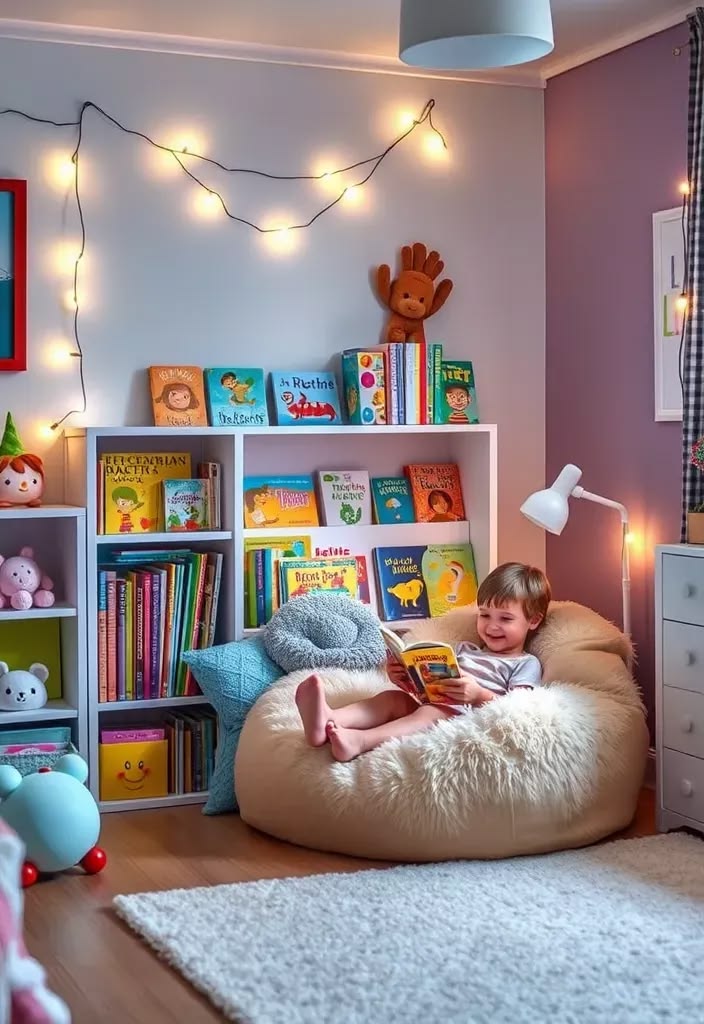
Even young kids benefit from having a designated area to unwind. A small desk for coloring or a cozy reading corner with a plush floor cushion and a warm lamp gives them a place to slow down that is entirely separate from their bed.
Make the Room Feel Like Theirs
This is the part kids usually care about most, and honestly, it should be. A well-designed room means little if it does not feel personal.
1. Let kids pick a few personal touches.
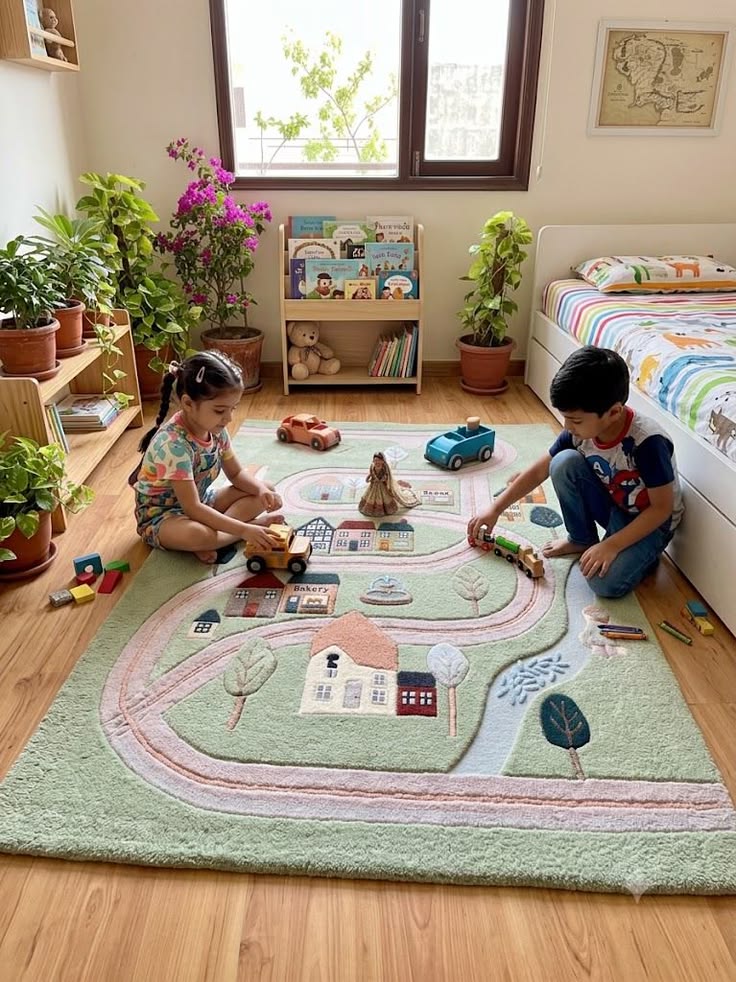
You do not need to hand over full creative control, but letting them choose a favorite color, a poster, or a special rug can go a long way. It gives them ownership of the space and makes the room feel like it truly belongs to them.
2. Try simple wall decor ideas.
Removable decals are a great option because they can be swapped out as interests change without damaging the walls. Framed art prints, a gallery wall of their own drawings, or even a chalkboard wall where they can doodle freely are all simple ways to add personality without making a big commitment.

3. Use lighting to set the mood.
String lights, a fun-shaped lamp, or a soft night light can transform how a room feels at bedtime. Good lighting also makes reading time and playtime more comfortable throughout the day.

Kids Bedroom Decor on a Budget
You do not need a big budget to create a room that feels special. Some of the most charming spaces are the result of a little creativity rather than a lot of spending.
1. Try DIY projects together.
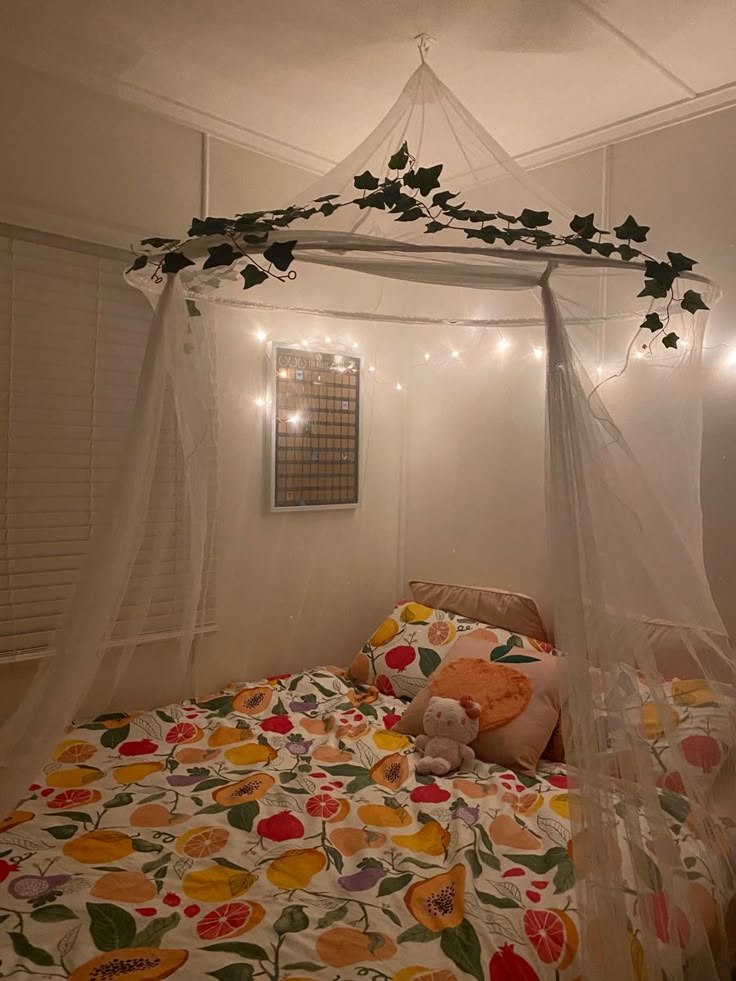
Painting an old dresser, making a photo collage, or building a simple canopy over the bed are all projects you can tackle with your child. It becomes a fun weekend activity, and they will feel proud seeing their own work in the finished room.
2. Look for thrift and secondhand finds.
Secondhand shops, yard sales, and online marketplaces are full of solid wood furniture that may only need a fresh coat of paint. You can often find quality pieces for a fraction of the retail price.
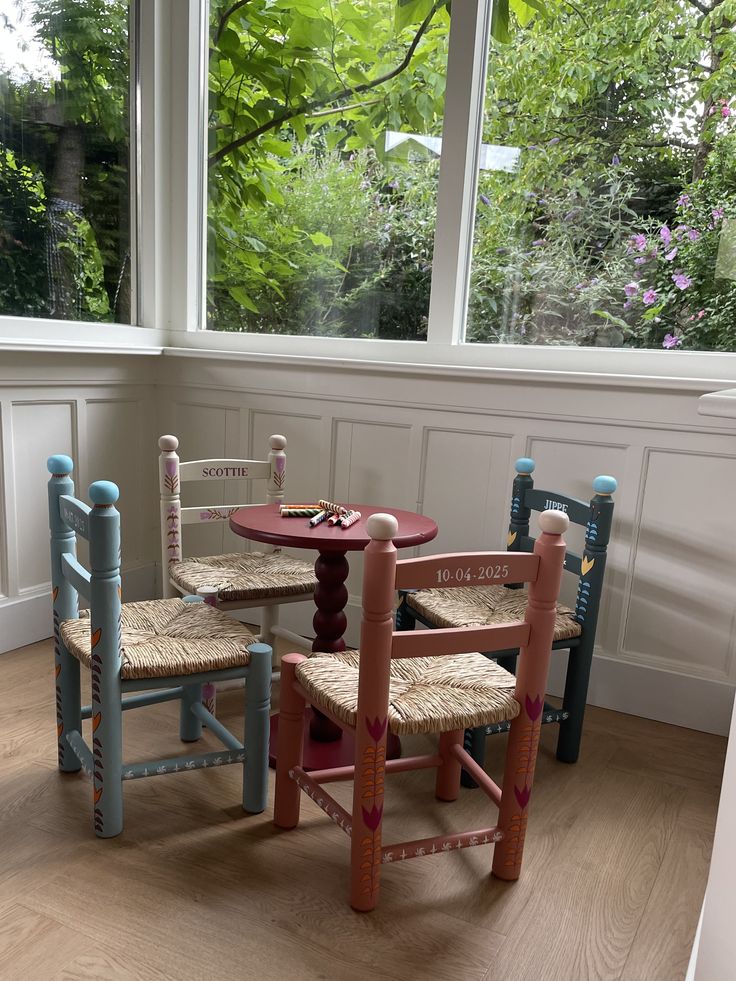
3. Make small updates with a big impact.
New bedding, a few throw pillows, or fresh curtains can completely change the feel of a room without requiring a full renovation. These small swaps are also easy to update later as tastes change.
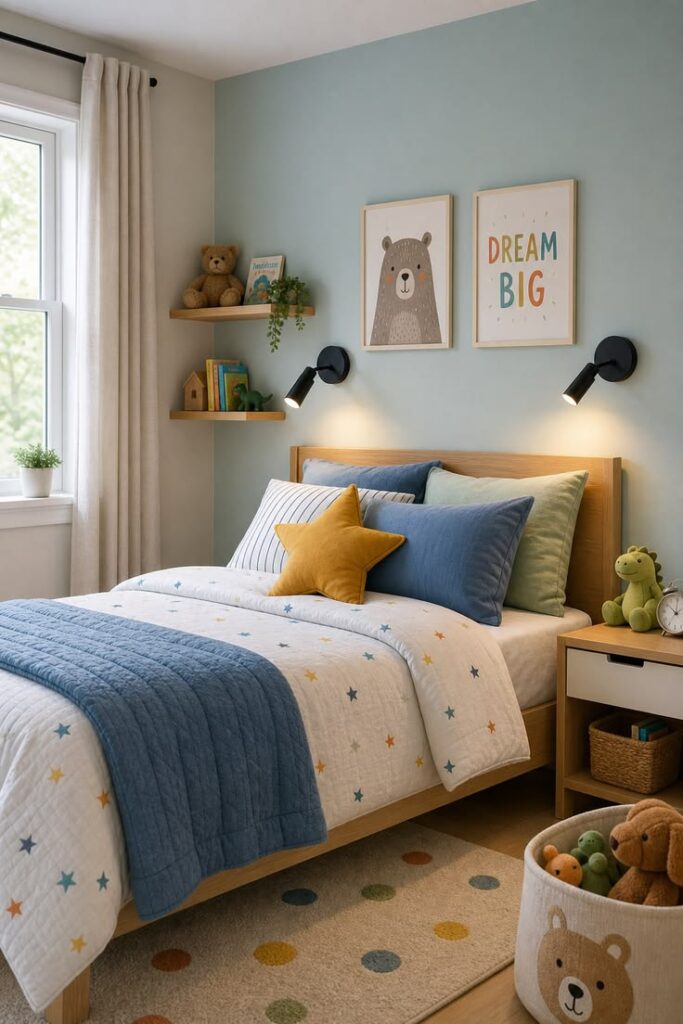
Kids Bedroom Decor Ideas by Age Group
1. Toddler rooms
You should prioritize safety above all else. Soft colors, simple layouts, furniture with rounded edges, and low shelving that is easy for little hands to reach all matter more here than trendy design choices.

2. Elementary-age kids
Usually they have strong opinions about what they like. This is a great stage to lean into a theme, whether that is animals, sports, or a favorite show, while keeping the bigger furniture pieces neutral. That way, the theme can change without requiring a full room makeover.
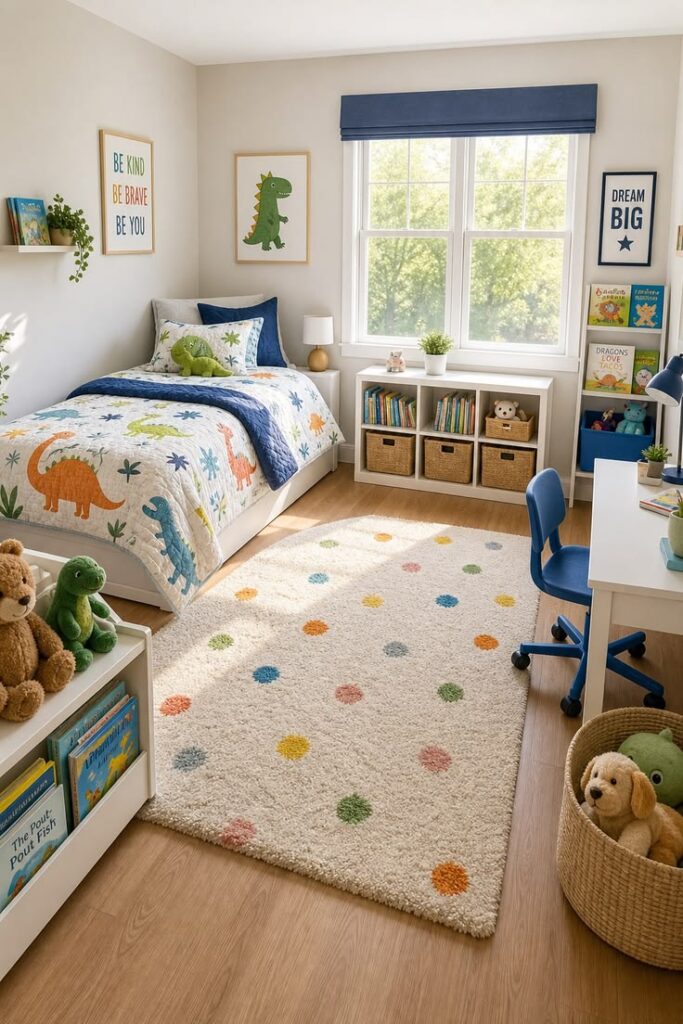
3. Tweens and teens
often want more independence in how their space looks. Letting them take the lead on colors, posters, and small decor choices helps the room feel like a reflection of who they are becoming, not just a bigger version of their childhood bedroom.
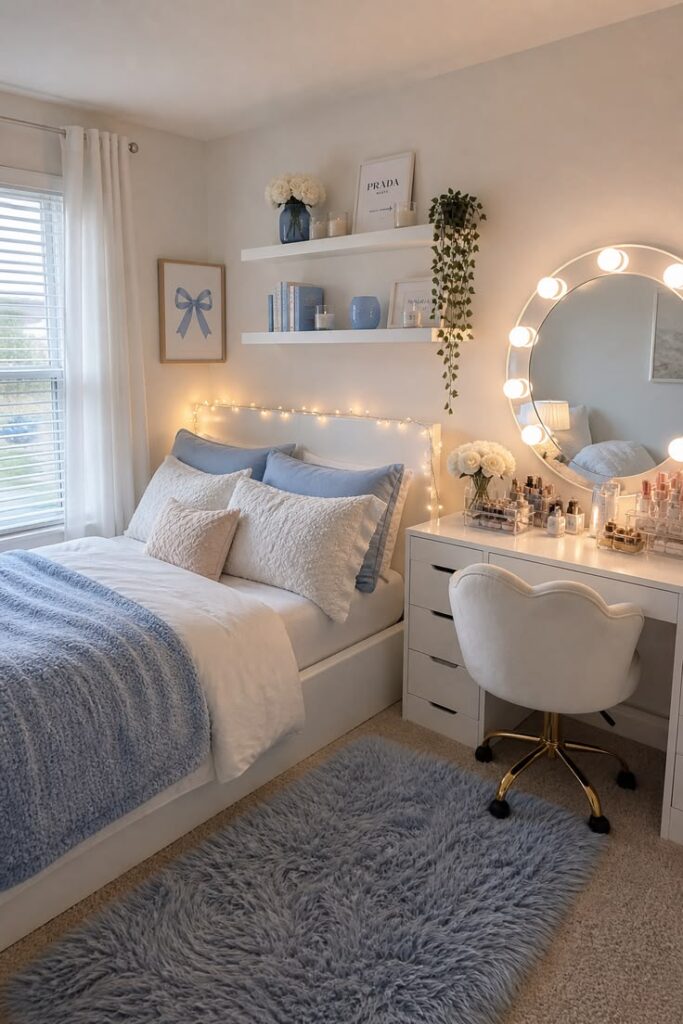
Small Space Solutions for Kids Bedrooms Decor
Not every home has room for a spacious kids bedroom, and that is completely okay.
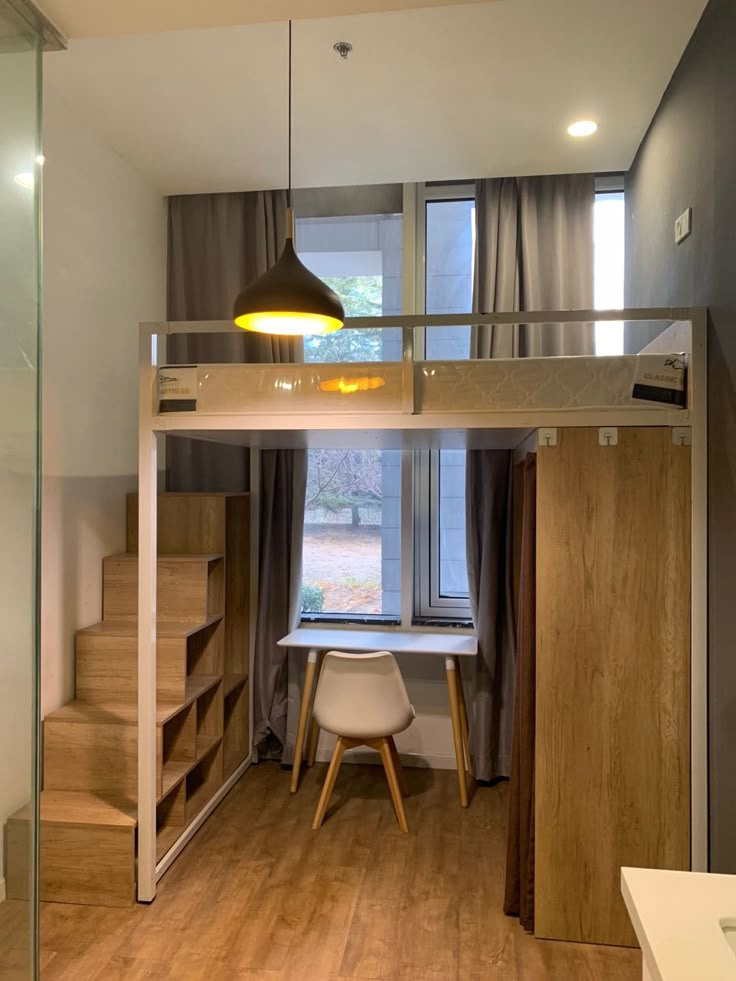
1. Use vertical storage and loft beds.
These options free up valuable floor space for play or study. A loft bed with a desk or reading nook underneath can make a small room feel like it is doing double duty.
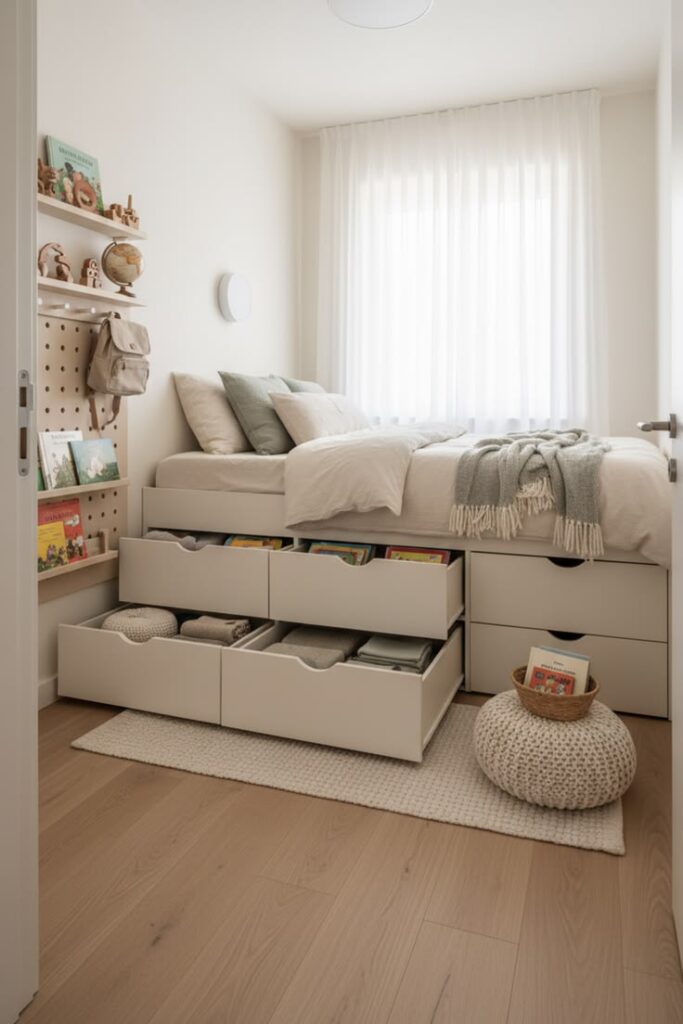
2. Choose multi-purpose furniture.
A storage ottoman that doubles as seating or a bed with built-in drawers can help you get more function out of a limited footprint.
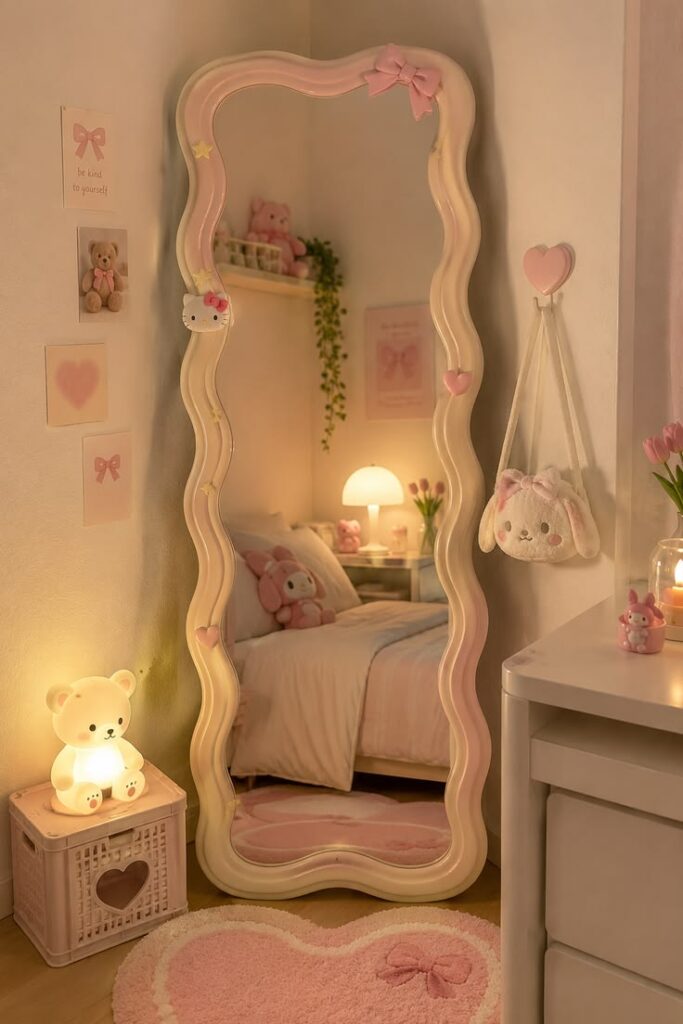
3. Try simple tricks to make the room feel bigger.
Light colors, mirrors, and keeping the floor as clear as possible can make even a compact room feel more open and comfortable.
FAQs About Kids Bedroom Decor
1. How much should I spend on kids bedroom decor?
There is no set amount since it depends on your budget and how much you already have to work with. Many parents find success spending gradually over time rather than all at once. Focus first on furniture and safety, then add decor as your budget allows.
2. How often should I redecorate my child’s room?
Most families refresh a kids room every few years or whenever a child moves into a new stage, such as transitioning from a crib to a bed or moving from elementary school into the tween years.
3. What is a safe age to let my kid choose their own room design?
Even toddlers can pick between two or three options you offer them. By elementary age, most kids are ready to have real input on colors and themes. By the tween years, many want to take the lead on the decorating process themselves.
4. How can I make a small kids bedroom feel bigger?
Light colors, vertical storage, multi-purpose furniture, and keeping the floor as clutter-free as possible can all help a small room feel more spacious.
5. What are timeless kids bedroom decor ideas that won’t feel outdated fast?
Neutral furniture, simple color palettes, and swappable accents such as bedding, artwork, and decals tend to hold up best over time. You can update the smaller details as your child’s interests change without replacing everything.
Conclusion
At the end of the day, kids bedroom decor does not need to be perfect; it needs to be loved. The best rooms are the ones that grow alongside your child, shaped by both your planning and their personality.
So grab a paint swatch, let your child pick out one silly little detail they are excited about, and enjoy building the space together.